A groundbreaking exploration of biology, language, authority, and the hidden forces shaping human behavior.
What if the instinct to obey began billions of years ago, long before governments, religion, or civilization existed?
- BOOK ONE
- Flinster Creek Series
- Ages 10 +
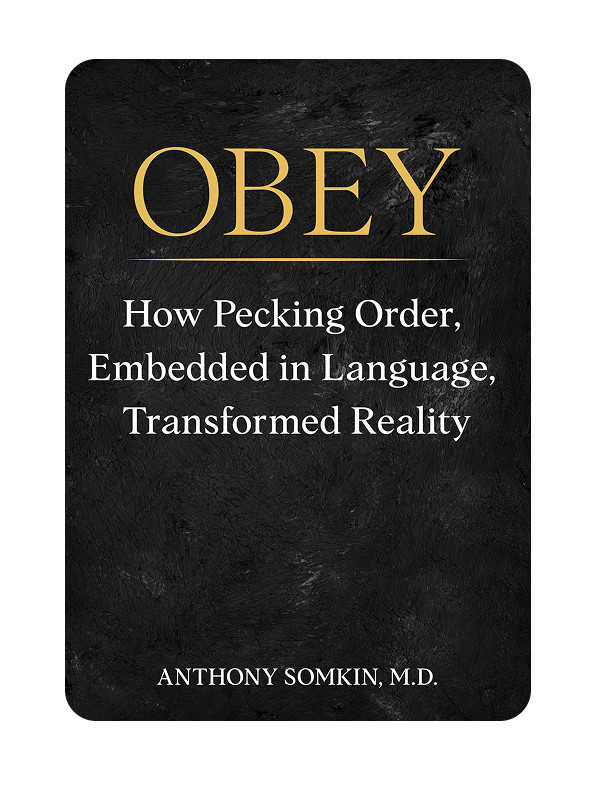
Why do we obey?
BOOK HIGHLIGHTS
Clues, companions, and the courage it takes to follow them.
Biology Meets Philosophy
A sweeping theory connecting molecular biology, neuroscience, evolution, and human behavior.
Language as Authority
Discover the provocative argument that words do more than communicate; they transmit hierarchy and obedience.
Socially Constructed Reality
Explore the distinction between the physical world we experience and the reality created through shared language and agreement.
A Challenge to Conventional Thinking
OBEY asks readers to rethink free will, individuality, inequality, prejudice, and the hidden influence of authority in everyday life.
Meet Anthony Somkin
Teen Detective
Anthony Hastings
A bright, curious teen detective with a sharp mind, strong instincts, and a fearless heart.
Sherlock
Abbie’s loyal black Labrador companion, always ready to sniff out clues and protect his best friend.
Explore the journey.
Why do humans obey?
Chapter 1
Molecular Affinity and Reproduction
Chapter 2
Pecking Order
Chapter 3
Pecking Order at a Distance
Chapter 4
Language and Pecking Order
Chapter 5
The Brain, God, and Obedience
Chapter 6
The Nature of Socially Constructed Reality
Chapter 7
The Nature of Physical Reality
Chapter 8
Experience Meets Socially Constructed Reality
Chapter 9
Self and Not-Self
Chapter 10
Inequality
Chapter 11
Conclusion
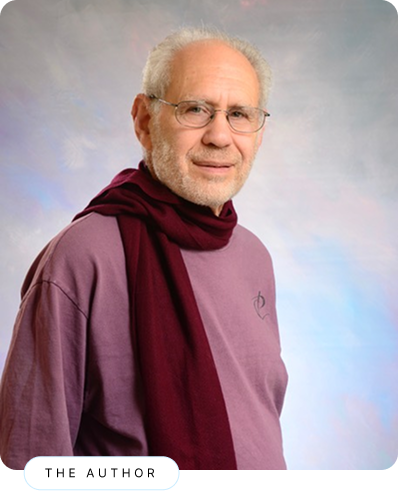
Meet Anthony Somkin, M.D.
40+
Years in
Private Practice
5
Continents
explored
∞
Mysteries ahead
KEEP THE CONVERSATION GOING
Question Everything.
OBEY asks readers to reconsider the questions themselves.
WHAT READERS WILL DISCOVER
- A new perspective on obedience and authority
- Connections between evolution and modern society
- The role language plays in shaping reality
- An interdisciplinary exploration spanning biology, psychology, philosophy, and sociology
- Questions that challenge conventional ideas about free will and human behavior